
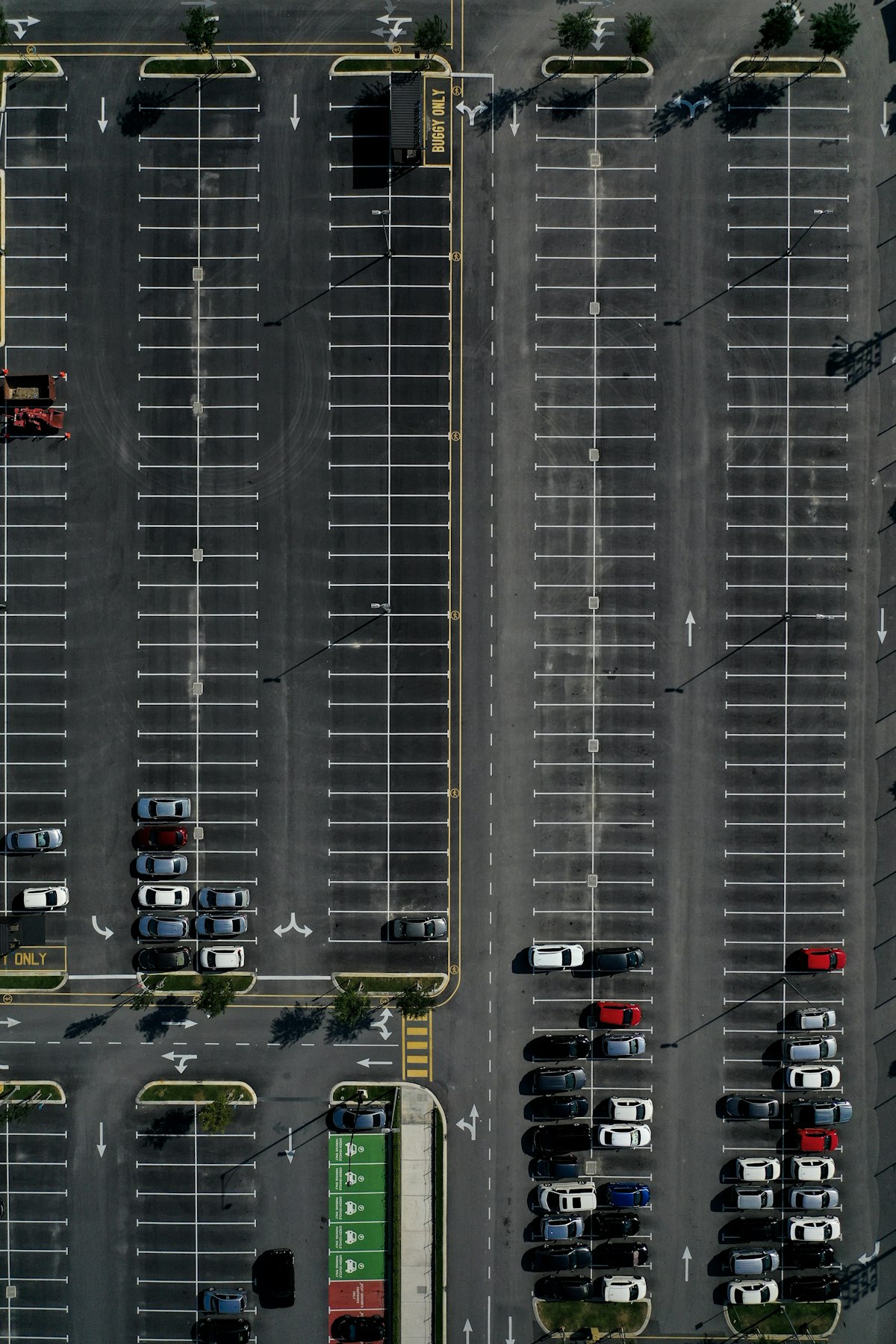
How Often Should a Car Park Be Re-Line Marked? Signs It’s Time
 BMNL
Car park line marking is one of those things nobody notices until it fades.
Then drivers start parking across two bays, delivery trucks cut corners and pedestrians are left guessing where they are meant to walk.
For business owners and property managers, worn markings are more than a looks problem. They affect safety, traffic flow and how many cars a site can actually hold.
In Perth, Delineation Line Marking handles car park re-marking, new layouts and line removal for commercial, industrial and council sites across Perth and WA.
So how often should a car park be re-marked, and what are the signs it is time?
How long does car park line marking last?
There is no single answer. The life of line marking depends on a few things.
Traffic is the biggest factor. A busy shopping centre car park wears far faster than a small office car park used by a handful of staff.
The type of vehicles matters too. Trucks, forklifts and buses turning on the same spot grind markings away quickly.
Weather plays a part. Strong sun breaks down paint over time, and Perth gets plenty of it.
Then there is the material. Standard road marking paint is the most common choice for car parks. Thermoplastic markings are thicker and more durable, which makes them better suited to high-wear areas.
As a rough guide, many busy commercial car parks need some re-marking every one to three years. Quieter sites may last longer. Heavy-use areas, like entries, exits and loading zones, often need attention sooner than the rest of the site.
Signs your car park needs re-marking
You don’t need a set schedule to know when it is time. Walk your site and look for these signs:
- lines that are hard to see from a driver’s seat, especially at night or in rain
- bay lines that have worn away at the ends, where tyres cross most often
- arrows and symbols that are patchy or missing
- pedestrian crossings that no longer stand out
- accessible bays where the symbol or shared zone hatching has faded
- old markings showing through after a layout change
If drivers are regularly parking badly, faded lines are often part of the reason.
Why it matters for safety
Clear line marking guides people through a site without them having to think about it.
Directional arrows keep traffic flowing one way. Hatched areas keep vehicles out of spaces that need to stay clear. Pedestrian walkways show people where it is safer to walk.
When markings fade, that guidance disappears. The risk of low-speed collisions and near misses goes up, especially in busy areas where cars and people mix.
Safe Work Australia has guidance for businesses on managing traffic in workplaces, including keeping vehicles and pedestrians apart.
Accessible parking and compliance
Accessible parking bays need to be clearly marked, with the correct symbol, bay size and shared zone beside them.
Car park design in Australia is guided by the AS/NZS 2890 series of standards, which covers things like bay sizes, aisle widths and accessible parking.
Faded or incorrect markings can leave a site out of step with these requirements. They can also cause real problems for people who rely on those bays.
Standards Australia publishes the standards, and a line marking contractor or traffic engineer can help you understand what applies to your site.
Making the most of your space
Re-marking is also a good time to look at your layout.
Sites change over time. A car park designed years ago may not suit how the space is used today. Delivery patterns change, tenants change, and the mix of cars and larger vehicles changes too.
A fresh layout can sometimes add bays, improve traffic flow or create a safer path for pedestrians, without any construction work.
If you are changing the layout, old lines need to be properly removed rather than painted over. Ghost lines left behind can confuse drivers.
Planning the work around your business
Most businesses can’t simply close their car park for days.
A few things help the work run smoothly:
- schedule marking for quieter times, such as weekends, early mornings or after hours
- mark the site in stages, so part of the car park stays open
- let staff, tenants and customers know ahead of time
- check the weather forecast, since paint needs dry conditions to set properly
A good line marking contractor will plan the job with you, so disruption is kept to a minimum.
Paint or thermoplastic?
Paint is quick to apply and cost-effective for most car parks. It is the usual choice for bay lines and general markings.
Thermoplastic is applied hot and sets into a thick, hard-wearing layer. It costs more upfront but tends to last longer in high-traffic areas, which can mean fewer callouts over time.
Many sites use a mix: paint for standard bays and thermoplastic for entries, crossings and other high-wear spots.
Retro-reflective finishes are worth considering for sites used at night. They make markings stand out under headlights.
Who is responsible for line marking?
For most commercial sites, the property owner or manager is responsible for keeping the car park safe and usable. On leased sites, the lease usually spells out who pays for maintenance like re-marking.
Strata properties are typically handled by the strata manager or council of owners, while councils look after their own public car parks.
If you are unsure, check your lease or strata records before booking the work, so there are no surprises when the invoice arrives.
Building re-marking into maintenance
The simplest approach is to treat line marking like any other maintenance item.
Do a quick visual check every few months. Note high-wear areas and fix them before they fade completely. Plan a full re-mark when the whole site starts to look tired.
Keeping on top of it is usually cheaper than waiting until every line has gone.
A quick checklist
- walk your car park at different times of day
- check bay lines, arrows, crossings and accessible bays
- note high-traffic spots that wear first
- think about whether your layout still suits your site
- plan work for quieter times to limit disruption
Clear, well-kept markings make a car park safer and easier to use for everyone, from staff to visitors to delivery drivers.