One aspect of ensuring the safety of their home or business premises that every householder or business owner is likely to need at some point is an electrical inspection. These are carried out by a qualified electrician, and their primary function is to ensure that all the wiring and electrical systems, including certain electrical equipment, within a home or office are safe and meet the applicable regulatory and legal standards. Here are some facts about electrical inspections.
What Will An Electrical Inspection Include?
The scope of an electrical inspection can range from a basic audit which is done visually and makes recommendations, to a comprehensive inspection when a series of electrical tests are carried out with respect to polarities of power outlets and electrical safety switches, for example. Here is a list of some of the checks and tests that could occur during an electrical inspection:
- Visual Checks For Instances Of Exposed Wiring Or Cable
- Check For Electrical Hazards
- Identifying Cables Or Wiring Which Is Outdated
- Inspections Of Power Boxes
- Testing Electrical Safety Switches
- Checking Lighting Fittings
- Checking For The Risk Of Overloaded Electrical Systems
- Checking And Testing Power Sockets
- Checking For Evidence Of DIY Electrical Work
- Testing Smoke Alarms
- Checking For Electrical Installations That Do Not Comply With Regulations
- Checking That Electrical Wiring, Installations, And Equipment Comply With Statutory Regulations
This is not a complete list, and some of the specific checks will depend on the type of property, what the building is used for, and the state or federal statutory regulations that apply to those premises.

No matter where you live, and how agreeable the prevailing climate and daily weather might be, there is always the risk of a storm hitting your location, and when you are aware of such an impending storm then there are several actions you must take to protect your landscaping. This is especially the case versus normal gardens given that landscaped gardens are likely to have more features, furniture, and plants, plus it is also an investment that you want to protect.
We appreciate that there are different types of storms and where you live will dictate which of them is the more prevalent be that rainstorms, thunderstorms, snowstorms, or storms where the winds are extremely destructive. It is the latter of these that our advice mainly focuses on, although it should go without saying that no matter what type of storm is forecast for your area, you must take some action to ensure no or at least minimal damage to your landscaped garden.
Tip #1 – Bring Everything Movable Inside
The simplest and most obvious step you can take to protect your landscaped garden from an approaching storm is to bring inside anything which is not fixed and thus movable. Even if an item in question is relatively heavy, remember storms have been known to lift an entire house off the ground, so a heavy piece of garden furniture is certainly not immune to the risk.
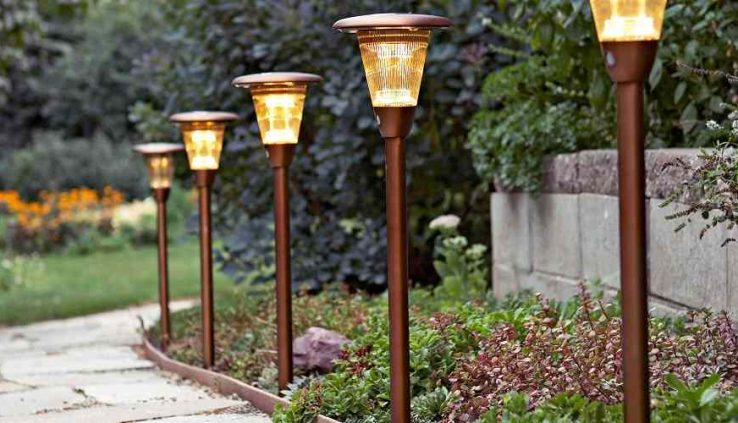
One of the key discussions you will have with your landscapers when deciding what features you want for your new landscaped garden is lighting. First, you have to decide whether you want any lighting or not, and then there are hundreds of choices of lighting types to go through to select which types you will have, where they will be located, and how they are to be powered.
While some lighting that you include in your landscape design is similar to the lighting you may have indoors, for the most part, there are several differences, all of which you must be aware of. This is why selecting lighting for a landscaped garden takes considerable thought. To help you with that task, Principal Landscapes has provided some useful pointers and some advice on lighting for landscaping.
Ways To Illuminate A Landscaped Garden
There are several ways to illuminate a landscaped garden.
- Tree Lighting: This can highlight the trees in your garden and create an amazing effect. It only requires a single uplight for each tree which is usually white or amber, but in truth, it could be any colour.
- Deck Lighting: As much for practical reasons as well as decorative, lighting your decking using embedded lights in the paneling is eye-catching, especially around seating areas.
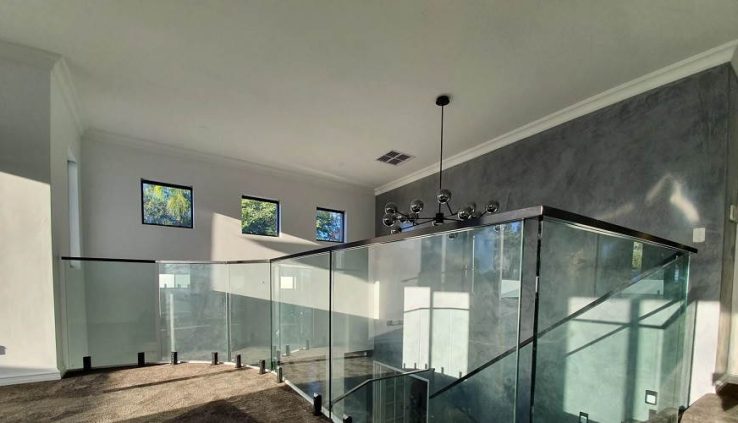
The option of adding a balustrade to your home will inevitably mean you having to make several choices, and one decision that is almost certain to crop up is whether to opt for glass balustrading or wire balustrading. Let us say from the outset that both are excellent options and whichever you choose will make give your home an improved appearance and functionality.
However, rather than simply tossing a coin to determine whether it is glass or wire balustrading, you should seriously consider how they compare to each other. In particular, you should compare them against seven extremely important criteria. To save you time, we have done so below.
Safety
Many homeowners have children and pets and therefore safety is a top priority for them when choosing balustrading. Here glass balustrading wins comfortably given that it can provide a greater impregnable barrier to children and pets accessing areas that might be dangerous for them, such as glass pool fencing. On the other hand, wire balustrading has multiple gaps which small children and pets can easily get through.
Appearance
Appearance is often in the eye of the beholder, but even a quick comparison of how glass panels and wires appear will tell you that glass invariably wins the comparison. In addition, most glass balustrading suppliers can offer you a choice of glass colours and some even have etched designs. As for wires, there are few if any options for styling or colours.
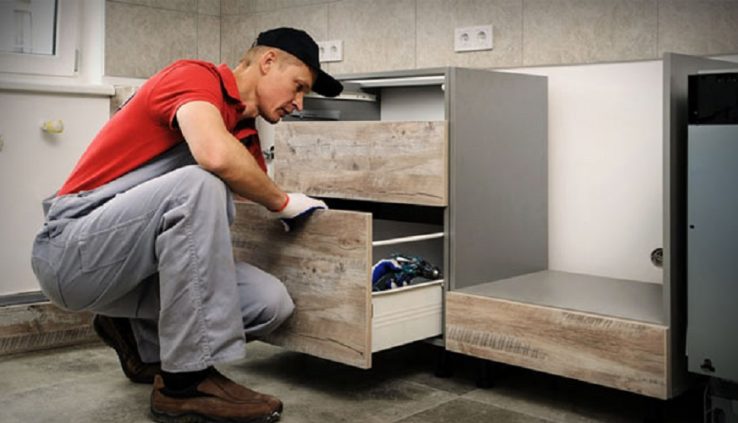
Home renovations can be exciting, but you’ve got a lot of decisions to make. One of those significant decisions is whether you should hire a cabinet maker to handle your kitchen renovation. If you’re on the fence about it being in your best interests, you are considering the points below.
A High-Quality Kitchen Boosts Your Home’s Value
It doesn’t matter if you plan on selling your home in the future or not. It can offer much-needed peace of mind to know that hiring a kitchen cabinet maker may significantly improve your home’s value.
Kitchens hold the heart of the home, and a beautifully-crafted one is bound to capture any prospective purchaser’s attention. Even if you don’t plan on selling, you never always know the future.
The Professionals Have all the Best Connections and Materials
It might surprise you to learn that what you see in your local renovation stores is not all you can get. Cabinet makers and tradespeople can access various materials and services unavailable to the general public.
If there’s something, in particular, that you want but can’t seem to get, there’s every reason to believe that enlisting the services of a professional can ensure that you get it.
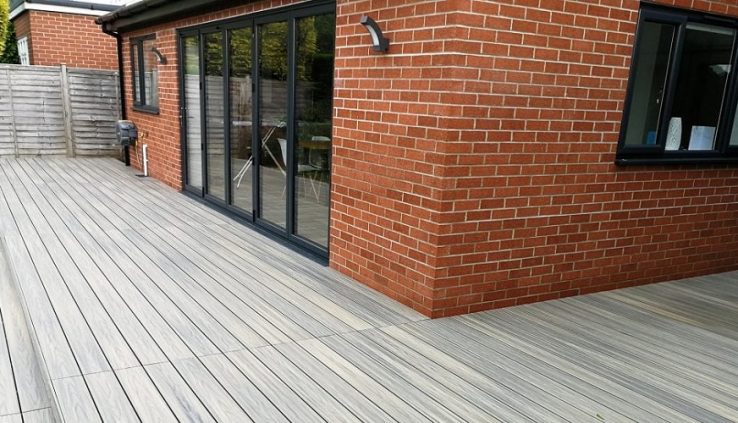
With composite decking sydney normally expected to have a long life span, it means there is a lot of that it will need to be maintained. To be fair, compared to other materials such as timber, the amount of time, effort, and money required to maintain is minimal, however, that does mean you can simply not bother.
If you do not do any maintenance, including cleaning it, your composite decking can soon show signs of damage, staining and fading, and given that it will not be the cheapest thing you buy for your home and garden, it will pay dividends in terms of how good it looks and how long it lasts, if you look after it properly.
If you are unsure how to maintain composite decking, here are ten tips that should help you not only maintain it, but to avoid some of the issues that can arise.
Redirect Vents
If you have any vents which expel hot air from your home, ensure that the hot air being expelled is not being blown directly on your composite decking. this heat can cause the material to decay, plus it will also cause excess moisture on the decking.
When you start shopping around for a new home to call your own, the kitchens generally are what you notice first. After all, they add the most value to a property and gain the most traffic in an average day.
But even if a kitchen looks good, it’s essential to know that looks can be deceiving. These signs below can be what to look out for if you want to determine whether a kitchen is well-made or not.
They Are Made of Plywood
Two of the most common building materials in kitchens are plywood and particleboard. Out of these two options, cabinet makers tend to use plywood as it is the stronger and higher-quality option. With this material, cabinets are better able to hold their shape. What’s more, they repel moisture, whereas particleboard typically doesn’t.
The Back Panel Is Full Height and Strong
One of the main reasons why kitchen cabinetry collapses is because the back panel wasn’t strong enough to handle the weight of whatever was inside or on the top of the cabinetry.
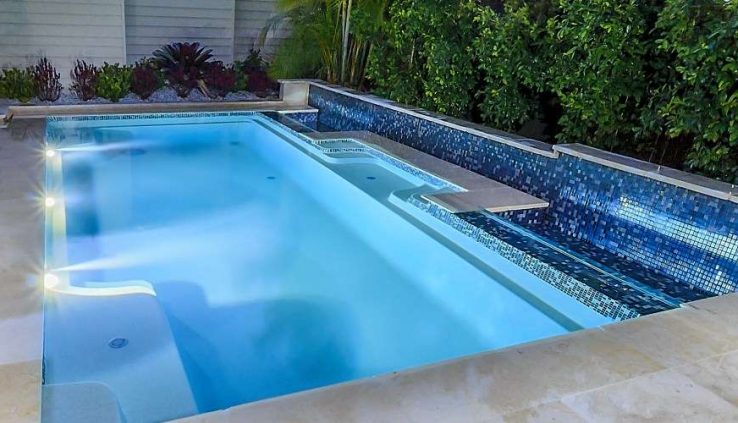
The experts at Landscape Architect Sydney told us that deciding whether or not to have a pool installed in the garden is often not a difficult decision to make. However, what does seem a more difficult choice is whether to have a concrete pool or a fibre glass pool installed. Both have their advantages and disadvantages but both options are going to be acceptable to most homeowners.
Ultimately your decision may come down to just one or two minor points, or it could be the budget available, or it might be whether or not the pool is seen as an investment in the property. To help you weigh all of these, and more, here is a quick comparison between concrete and fibre glass pools for each of the main considerations most people base their decision on.
Design Options
Of the two, concrete pools are going to offer far greater flexibility and options with regards to the size, shape, and design of your pool. Fiberglass pools are pre-cast in a factory and therefore there is no means for you to alter it once it has arrived for installation. There will also be a limit on the size given that it has to be transported to your property.
Aesthetics
It is generally accepted that concrete pools outdo fibre glass pools in terms of how pleasing they are on the eye. Not only is this due to the options in terms of tiles for the walls and floor, but for the greater number of options you will have for the surrounding areas with regards to furniture and facings which can match.
Walls And Floor Surfaces
The surface of a fibre glass pool is smooth and non-porous therefore it does not normally attract the likes of bacteria. More importantly, it does not suffer from the growth of algae which is an inherent problem for concrete pools given that they have porous walls and floors. The rougher surface also means they are more prone to cracks and scratches.

In many major cities, crime rates are rising and protecting your home and property is becoming increasingly difficult. Fortunately, there are numerous security alarm systems and other electronic monitoring equipment available to help you look after your property.
Despite this, not everyone chooses to install a security system. For some people, the cost is restrictive. For others, it just might not seem like it’s worth it. And if you live in a very safe neighbourhood, it might not be.
So, how do you know whether or not you should install a security system? In the rest of this article, that’s exactly what we’re going to look at. If you still can’t make up your mind after reading this, consider speaking with a professional and ask their opinion.
What Sort of Alarm Systems Are Available?
Before you can make the decision whether or not to buy a security alarm system, you need to understand exactly what’s available and what sort of protection different systems involve, and which system would suit protecting a family home or watching over personal storage. The most common alarm system components include:
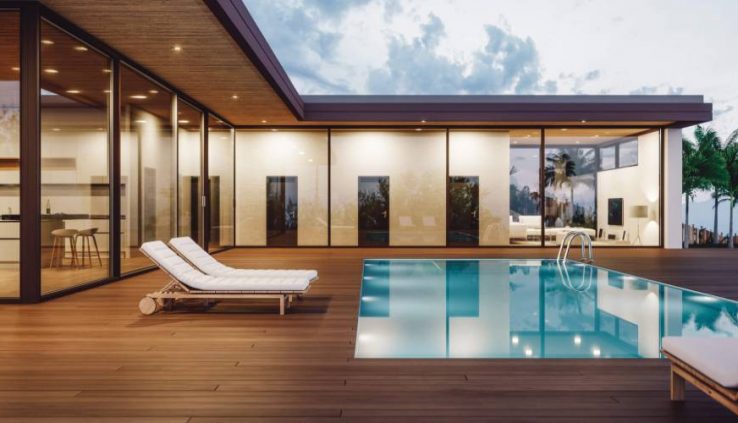
Do you have an old, unused swimming pool sitting in your backyard gathering dirt? Wondering what you can do with it to bring it back to life? If so, have you considered swimming pool renovations with professional pool builders?
In general, a pool renovation is much more cost-efficient than installing a brand new pool, and it’s a great way to bring your yard back to life. In the rest of this article, we’ve had a close look at the ways a complete makeover of your old pool can brighten up your garden.
But first, let’s have a closer look at pool renovations themselves.
What Is a Pool Renovation?
To put it simply, a pool renovation generally involves taking your old swimming pool and fixing it up. In many cases, you might also decide to redo at least some parts of your yard surrounding the pool to ensure everything continues to look good.
As noted above, renovating an existing swimming pool is usually a much cheaper option than installing a brand new one. In many cases, a quick clean, replacement of damaged parts and a general look over is all that’s needed. Sometimes, your contractor will have to repair leaks and things like that, but it shouldn’t ever be too much work.

 BMNL
BMNL